Start with sounds, not whole words
Before a child can read for meaning, they need to read the word itself without struggling. If your child is sounding out letters one by one and losing the sentence by the time they reach the end, the missing piece is usually phonics — matching letters and letter combinations to their sounds — not vocabulary. A few minutes a day on blends and digraphs (like sh, ch, ee) pays off faster than pushing longer books.
Match the book to the child, not the age
A book that's slightly too easy builds fluency and confidence; a book that's too hard teaches a child to dread reading. A rough test: if your child stumbles on more than about one word in twenty on a page, the book is too difficult for independent reading — read it together instead, and save independent reading time for something easier.
Ask questions that check understanding, not memory
"What happened next?" is a memory question. "Why do you think the character did that?" or "What do you think will happen?" are comprehension questions — they show whether your child is actually following the story, which is the real goal of reading, not just recognising words.
Make it social, not just silent
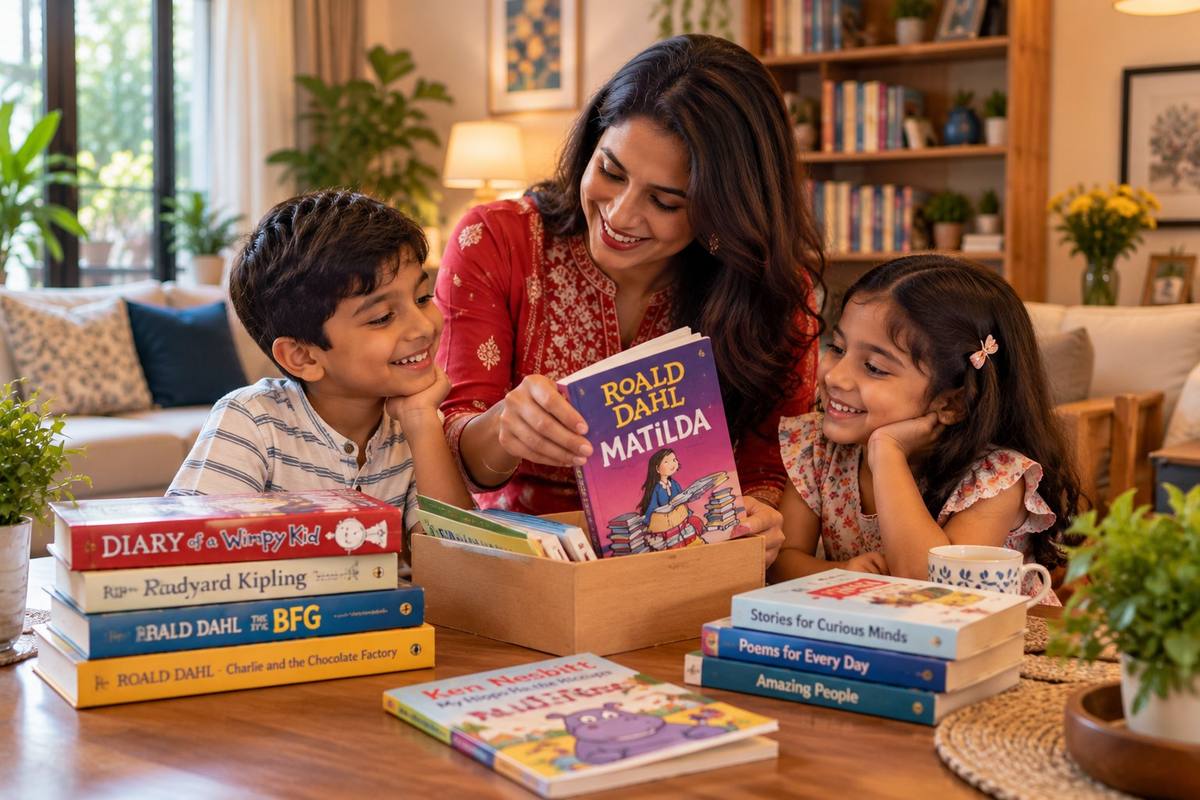
Reading aloud to a parent, retelling a story to a sibling, or talking about a book at the dinner table all reinforce reading far more than silent reading alone, especially for children still building confidence. At Thrive, this is deliberate — our children's programmes build in reading circles and retelling, not just solo reading time, because a child who can talk about what they read has actually understood it.